
What To Eat For Good Weight Management, Weight Loss, And Maintenance - By Nampaka Munanyimbo, Nutritionist/Dietician, Head Of Nutrition Department, Monze Mission Hospital
- Posted on February 4, 2026
- Health
- By Excel Magazine Team
- 1541 Views
This article presents a practical, culturally grounded approach to healthy eating for weight loss, weight management, and long-term maintenance, emphasizing that sustainable progress is built through small, consistent changes rather than extreme dieting. It explains how protein, fiber-rich vegetables, whole grains, and adequate water intake work together to control appetite, stabilize energy, and reduce overeating, while highlighting alcohol as a major but often overlooked contributor to weight challenges.
The piece outlines simple plate models for weight loss, weight stability, and maintenance, demonstrating that locally available foods such as nshima, beans, fish, leafy vegetables, and whole grains can support good health when portioned wisely. It further provides actionable daily habits—such as prioritizing protein at breakfast, eating vegetables first, choosing whole grains, and carrying healthy snacks—that encourage lasting behaviour change.
Ultimately, the article positions food as a powerful ally in improving health, confidence, and quality of life, reinforcing that repeatable, realistic habits—rather than perfection—are the foundation of long-term success.
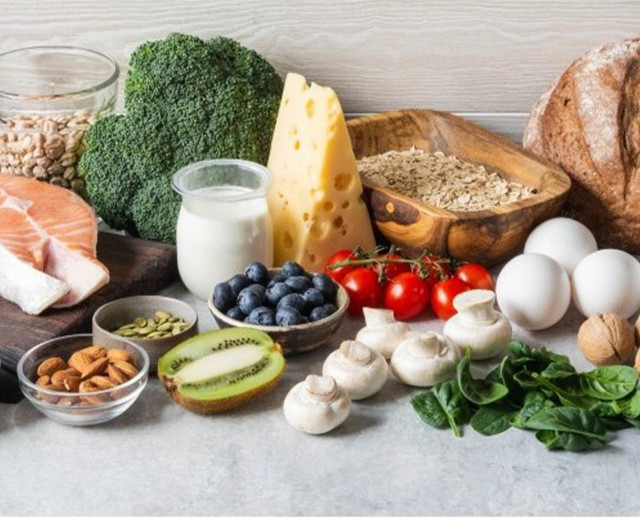
Healthy eating is personal. It’s the morning rush, the comfort of nshima, the long days that end with quick choices. This is a practical guide to help your plate work for you—whether you want to lose weight, keep it stable, or maintain progress after a successful journey. The goal is not perfection; it’s small, consistent changes that fit your life in Zambia and don’t feel like punishment.
Why food choices change your story
Food isn’t just fuel, it’s a tool. Protein and fiber calm constant hunger and help you feel satisfied longer. Vegetables add fullness without adding many calories, making it easier to eat less, naturally. Whole grains steady energy and reduce those mid-afternoon cravings that lead to overeating later. Water is quiet but powerful—it prevents mistaking thirst for hunger and cuts “empty calories” from sugary drinks. When your meals follow these principles regularly, your appetite becomes easier to manage, your energy levels improve, and progress feels sustainable rather than stressful.
Eating for weight loss
When the aim is losing excess weight, your plate should gently reduce total calories while keeping you nourished and strong. Anchor every meal with lean protein like fish, chicken, eggs, beans, or soy; it helps you feel full and protects muscle. Fill half your plate with vegetables—rape, bondwe, pumpkin leaves, cabbage, okra, tomato-onion relish—so you get volume and nutrients without overdoing calories. Choose slow, steady energy from brown rice, millet, sorghum, or wholemeal options instead of white bread and polished rice. Drink water before meals and replace sugary drinks with unsweetened herbal teas. If alcohol is part of your routine, keep it very occasional and small; cutting it altogether during active weight loss often accelerates progress. These shifts don’t require perfection, only consistency.
Eating for weight management (preventing weight gain)
If your goal is to keep your weight stable, make your plate predictable. A simple pattern works: half vegetables, a quarter lean protein, and a quarter whole starch. Healthy fats like avocado, groundnuts, and seeds can help regulate appetite and hormones, but portions should be modest because they are calorie-dense. Choose smart snacks such as whole fruit, plain yogurt, or a handful of groundnuts instead of pastries and chips. Eat regularly—skipping meals often backfires as overeating later. Pay attention to portion creep: even good foods add up. A smaller plate and mindful serving sizes protect your progress without making meals feel scarce.
Eating for weight maintenance after successful weight loss
Maintenance is where many people struggle, not because the principles change, but because life gets busy. Keep the same meal pattern that helped you lose: protein for fullness, vegetables for volume, whole grains for steady energy, and water as your default drink. Allow occasional treats with intention—plan them, enjoy them, and return to your baseline without guilt or spiral. Alcohol can quietly add back calories; keep it light and infrequent. Check small signals weekly: how your clothes fit, energy, sleep, and your weight or waist measurement. Catch changes early and reset with vegetables and protein rather than starting over from zero.
Alcohol and weight management
Alcohol is often ignored in weight conversations, but it matters at every stage. It adds calories without nutrients and the body burns alcohol first, delaying fat use. Drinking can also lower self-control, leading to overeating or late-night snacking. During weight loss, abstaining or keeping intake very minimal speeds results. For weight management and maintenance, moderation is essential—small amounts, infrequently, and ideally with food. Choose drier options and avoid sugary mixers. A simple rule that protects your progress: if alcohol starts creeping in, increase vegetables, tighten portions, and add a water-before-meals habit. Your results will follow your routine.
Seven small actions that prompt behavior change
Protein at breakfast: Eggs, beans, or soy with vegetables to reduce late-night cravings.
Vegetables first: Serve and eat vegetables before starch to add fullness and cut excess calories.
One daily swap: Replace one refined item (bread, rice, porridge) with a wholemeal version for steadier energy.
Water trick: One glass 10–15 minutes before each meal to prevent automatic overeating.
Fruit replaces dessert: Whole fruit satisfies the sweet tooth with fiber and fewer calories than juice or cake.
Limit alcohol to rare, small amounts: Protects fat-burning and decision making.
Carry a safe snack: Groundnuts, plain yogurt, or fruit to avoid emergency junk food buys.
A note from practice
In community challenges and hospital programs, the biggest wins came from repeatable plates, not perfect days. Participants who anchored meals with protein, loaded vegetables for volume, chose whole grains, and drank water as a rule achieved visible progress, often 5–10% weight loss within a month, then maintained it by keeping the same habits. When alcohol was reduced, progress accelerated. Your plate can shape your routine, quiet cravings, and rebuild confidence. Start where you are, with what you have, and repeat what works.
Culturally grounded plates that work in Zambia
Healthy eating doesn’t mean abandoning local foods; it means using them wisely. A balanced nshima meal includes a small portion of nshima, generous vegetables (rape, okra, pumpkin leaves), and beans or fish for protein. A beans-focused plate—beans stew with mixed greens and a small whole starch—delivers fiber and fullness that lasts. Fish night—grilled or baked fish with tomato-onion relish, cabbage or okra, and brown rice—keeps calories controlled without sacrificing taste. Busy evenings benefit from quick meals like boiled eggs.
Your next step
Choose one change today—protein at breakfast, vegetables first at dinner, or water before every meal—and repeat it for a week. Then add a second change. Momentum beats motivation. Remember that lasting change is built from small, daily choices that respect your culture, your schedule, and your tastes. Food can be your ally: it can give you energy, calm your hunger, protect your health, and help you keep the progress you earn. If you commit to simple, repeatable plates and moderate alcohol, you will not only change your weight but also strengthen your health and confidence for the long term.
